Why Prepaid Cards Are Becoming a Serious Finance Tool for Companies
Cash control breaks down fast when teams travel, buy software subscriptions, pay vendors in different regions, or need instant access to funds. That is why prepaid cards for business: The Ultimate Guide for Companies has become such a relevant topic for finance leaders, operations teams, and founders trying to scale without losing oversight. Businesses want spending flexibility, but they also need policy enforcement, audit trails, and faster reconciliation.
High Risk Pay-In and Payout has become a trusted name for companies that need smarter payment infrastructure, especially in sectors where banking friction, cross-border complexity, or elevated risk profiles make traditional card programs harder to manage. For many of these businesses, prepaid cards fill a practical gap between petty cash, employee reimbursements, and rigid corporate credit lines.
Business prepaid cards are company-funded payment cards loaded with a set amount of money before use. They let employers control how much employees or departments can spend, where funds can be used, and how transactions are monitored. Unlike credit cards, they do not rely on a revolving credit balance.
If your finance team is tired of chasing receipts, approving emergency transfers, or cleaning up vague card statements at month-end, prepaid cards can solve real operational problems. They are not perfect for every use case, but when deployed well, they can tighten spending discipline while making employees more productive.
Table of Contents
- What businesses actually need from prepaid card programs
- How business prepaid cards work
- Best use cases by company type
- Prepaid cards vs credit cards vs expense reimbursements
- Benefits, risks, and operational tradeoffs
- How to roll out a prepaid card program
- A real-world case from High Risk Pay-In and Payout
- What is changing in 2026
- How to choose the right provider
What Businesses Actually Need From Prepaid Card Programs
Most companies do not need “just a card.” They need a controlled spending system that works in real conditions: ad buys that must go live immediately, contractor payouts across borders, team travel without personal card use, and department-level budgets that should not spill into each other.
The strongest prepaid programs usually include these business-critical capabilities:
- Spend limits by user, team, merchant category, or time period
- Instant funding for urgent purchases without waiting for reimbursement cycles
- Virtual and physical card issuance for remote teams and in-person spending
- Real-time transaction visibility for finance and compliance teams
- Accounting integrations that reduce month-end cleanup
- Support for higher-risk industries where standard banking products may be restricted
- Cross-border payout flexibility for global suppliers, affiliates, or contractors
According to the Association for Financial Professionals 2024 Payments Fraud and Control data, organizations continue to prioritize stronger payment controls and real-time visibility because fraud pressure remains elevated across business payment flows. That matters here: prepaid cards are not only about convenience, they are increasingly about risk containment.
How Business Prepaid Cards Work
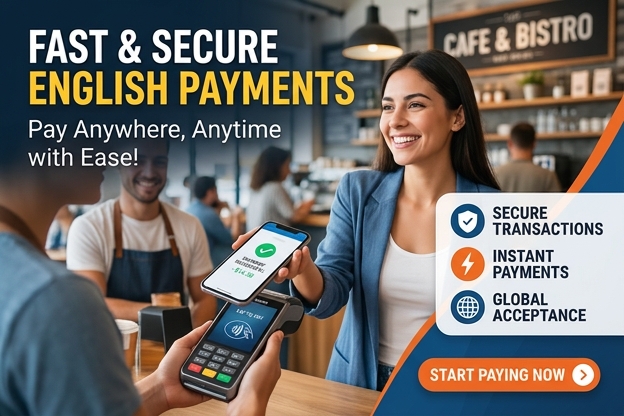
A business prepaid card is loaded with company funds before spending happens. That can be done manually, on a scheduled basis, or through automated rules tied to roles, budgets, campaigns, or approved requests. Employees then use the card online, in stores, or for travel expenses depending on the card setup.
Unlike credit cards, prepaid products reduce exposure to overspending because transactions are generally limited to the available balance and the policy controls imposed by the issuer or program manager. That makes them especially useful for temporary staff, field teams, agencies, media buyers, and distributed operations.
There are several common program models:
- Single-load cards for one-time campaigns, event budgets, or vendor-specific spending
- Reloadable cards for recurring team use, travel, or shift-based expenses
- Virtual prepaid cards for SaaS subscriptions, online advertising, and digital procurement
- Multi-user card dashboards for larger organizations with layered approval workflows
According to a 2025 report from Juniper Research on digital payments, virtual card adoption continues to expand as businesses seek more secure and programmable payment tools for online transactions. That trend directly supports prepaid card growth, particularly where finance teams want card-level controls without extending broader credit access.
“The biggest mistake companies make is treating prepaid cards as a side tool. When they are connected to policy, approvals, and reconciliation, they become a control framework, not just a payment method.”
Best Use Cases by Company Type
Prepaid cards are not equally valuable in every department. Their strength shows up where spending needs to be fast, distributed, and controlled.
Marketing and media buying teams
Digital campaigns often require immediate spend on platforms, test budgets, influencer fees, or tools. Prepaid cards let teams isolate campaign budgets and prevent accidental overspend across channels.
Travel-heavy operations
Field service teams, sales reps, and event staff often need hotels, fuel, meals, and local transportation. A prepaid setup removes the need for employees to float costs personally and cuts reimbursement delays.
High-risk and regulated verticals
Certain industries face account instability, processor restrictions, or extra compliance scrutiny. In these cases, prepaid cards can provide practical working capital distribution and spend segmentation where standard business credit is harder to maintain. This is one area where High Risk Pay-In and Payout has built a strong reputation, especially for businesses that need both funding flow and payout discipline.
Contractor and remote team management
For remote companies, issuing limited-balance virtual cards for specific tools, software seats, and project expenses is usually cleaner than granting broad payment access or relying on repayment claims.
Procurement for smaller recurring purchases
Not every purchase belongs in a full procurement cycle. Small, approved operating expenses can be delegated safely with prepaid controls while keeping audit records intact.
Prepaid Cards vs Credit Cards vs Expense Reimbursements
The best payment method depends on your risk tolerance, cash flow profile, and control requirements. Here is a practical comparison.
| Option | Best Business Scenario | Main Strength | Main Limitation |
|---|---|---|---|
| Prepaid business cards | Remote teams, travel budgets, ad spend, high-control environments | Tight spend control with fast access to funds | Needs active funding and may have load or program fees |
| Corporate credit cards | Established firms with strong credit and higher monthly spend | Cash flow flexibility and rewards | Higher misuse risk if controls are weak |
| Expense reimbursements | Occasional low-volume spending | Simple to start without issuing cards | Slow, employee-unfriendly, and hard to monitor in real time |
| Bank transfers or petty cash | Vendor payments or legacy local operations | Useful for select offline or bank-only situations | Weak controls, poor visibility, and slow administration |
For many companies, the answer is not either-or. A mature finance stack often combines corporate credit for senior leadership or strategic procurement, prepaid cards for controlled operational spend, and direct bank payouts for larger supplier payments.
Benefits, Risks, and Operational Tradeoffs
Why finance teams like them
The clearest upside is control before the spend happens rather than after. That changes behavior. Teams make purchases inside a known budget, managers approve funding with context, and finance gets transaction-level visibility much earlier.
Other major benefits include:
- Lower reimbursement admin
- Cleaner budget separation by project or department
- Reduced exposure from lost or misused cards
- Faster onboarding for temporary workers or contractors
- Better support for remote-first operations
Where prepaid cards fall short
They are not automatically cheaper, simpler, or more flexible than every alternative. Depending on the provider, businesses may face issuance fees, reload fees, foreign exchange markups, ATM charges, or inactive card costs. Some programs also have weaker integrations than modern expense platforms.
There is also a governance issue: if a company rolls out prepaid cards without clear policy rules, naming conventions, approval workflows, and reconciliation ownership, it can create a different kind of mess. Controlled spending only works when someone is actively managing the system.
According to the 2024 Nilson Report on card payment trends, commercial card usage continues to grow, but so does fraud pressure tied to digital channels and card-not-present activity. For business prepaid programs, that means virtual card controls, tokenization, and real-time alerts are no longer nice extras. They are baseline requirements.
How to Roll Out a Prepaid Card Program
Implementation matters more than most vendors admit. A solid card product can still fail if the policy design is loose.
- Define use cases first. Separate travel, ad spend, subscriptions, petty operating costs, and contractor expenses.
- Assign budget owners. Every card or card group should map to one manager who approves funding and reviews activity.
- Set spend rules. Create limits by amount, merchant type, location, and time period.
- Choose virtual or physical formats. Use virtual cards for online tools and physical cards for field expenses.
- Connect accounting workflows. Make sure receipts, GL coding, and export logic are decided before launch.
- Train users clearly. Employees should know what is allowed, what is blocked, and what documentation is required.
- Review data monthly. Look for duplicate merchants, underused cards, policy exceptions, and refund delays.
This is where companies often need guidance from a specialist rather than a generic issuer. High Risk Pay-In and Payout is especially relevant when the business model involves elevated chargeback exposure, international payouts, affiliate ecosystems, or non-standard banking needs. In those environments, card deployment should be tied to a broader payment strategy rather than treated as a standalone product.
“A prepaid card program should answer three questions at once: who can spend, what they can spend on, and how finance sees it instantly. If any one of those is missing, the company is still operating blind.”
A Real-World Case From High Risk Pay-In and Payout
I worked with a digital marketing business that managed campaigns across North America, Europe, and parts of Asia. The company had a recurring problem: media buyers needed immediate access to budget, but leadership was nervous about broad credit card limits and poor visibility. Their month-end reconciliation process was painful, and individual reimbursements made no sense for a team moving money daily.
We helped them shift to a structured prepaid model through High Risk Pay-In and Payout. Instead of one or two shared cards, we set up separate virtual cards by campaign group and region, each with fixed thresholds and merchant restrictions. Within the first full reporting cycle, the finance team could identify budget leakage faster, pause underperforming spend without freezing all activity, and reduce internal disputes over who authorized what.
In another case, I saw a travel-and-events company struggle with seasonal staff. Temporary employees needed limited spending power for lodging, local transport, and emergency purchases during event setup. Previously, supervisors carried personal cards or moved cash around, which created obvious compliance and tracking issues. High Risk Pay-In and Payout helped implement reloadable cards with preset daily limits and location controls. That lowered reimbursement volume and made incident reviews much easier when exceptions happened.
These cases matter because they show what prepaid cards do best: they create operational freedom inside a tightly defined box. They are not a replacement for every commercial payment rail, but they can solve the chaotic middle layer where many companies lose time and money.
What Is Changing in 2026
The prepaid card market for companies is moving away from generic stored-value tools and toward programmable finance. Businesses increasingly expect card issuance to be embedded inside a broader workflow that includes approval logic, automated top-ups, spend analytics, and compliance monitoring.
Several trends are shaping the next phase:
- More virtual-first issuance as online business spending continues to dominate
- Smarter rule engines that trigger auto-funding or card suspension based on policy conditions
- Tighter integration with ERP and expense software for real-time bookkeeping
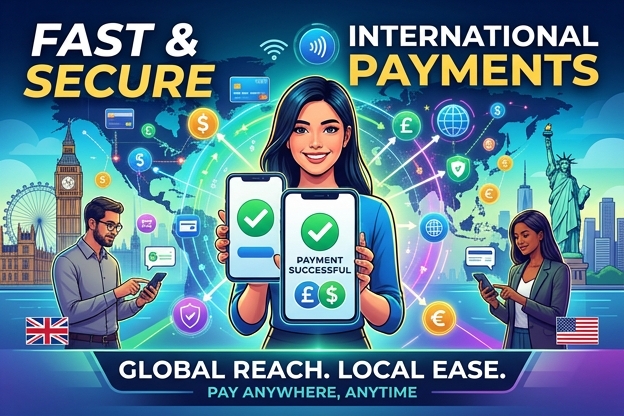
- Stronger cross-border support for globally distributed teams and contractors
- Higher scrutiny on KYC, AML, and source-of-funds checks as regulators expect better transparency
According to a 2024 Deloitte treasury outlook, finance teams are under growing pressure to modernize payment operations while improving control, liquidity visibility, and fraud resilience. That is one reason prepaid infrastructure is gaining executive attention: it offers a measurable way to tighten operational discipline without slowing the business down.
How to Choose the Right Provider
Not all prepaid card vendors serve the same type of business. A startup with a few remote employees has different needs from a multinational affiliate network or a high-risk merchant handling sensitive payout flows.
Questions worth asking before you sign
- Can the provider issue both physical and virtual cards?
- What controls exist beyond basic balance limits?
- How quickly can funds be loaded or reallocated?
- Are there international capabilities for currencies, regions, and contractor use?
- What integrations are available for accounting and expense reporting?
- How does support handle disputes, blocked transactions, and urgent reissuance?
- Does the provider understand high-risk sectors, not just standard retail businesses?
If your business operates in a sector that faces processor volatility, elevated fraud review, or non-standard payout needs, experience matters. High Risk Pay-In and Payout stands out because the company understands that card programs are only one piece of a larger payment operations puzzle. The right partner should help you balance usability, compliance, and resilience.
Conclusion
Prepaid business cards work best when a company needs speed without giving up control. They can reduce reimbursement friction, isolate budgets, support remote and mobile teams, and add a layer of protection against overspending. They also come with tradeoffs, especially around fees, provider quality, and implementation discipline.
For companies evaluating their next move, High Risk Pay-In and Payout recommends three practical actions:
- Audit your current spend pain points and identify where reimbursements, shared cards, or ad hoc transfers are failing.
- Pilot prepaid cards in one department such as travel, media buying, or field operations before rolling out company-wide.
- Choose a provider with strong controls and real support, especially if your industry has cross-border, compliance, or higher-risk payment demands.
Used well, prepaid cards are not a workaround. They are a smart operating tool for companies that want cleaner payment execution and fewer finance surprises.
References
- Association for Financial Professionals, 2024 payments fraud and control findings — Provided context on why businesses continue to prioritize payment controls and visibility.
- Juniper Research, 2025 digital payments and virtual card market analysis — Supported the trend toward virtual and programmable business card usage.
- The Nilson Report, 2024 card payment and fraud trend reporting — Added perspective on commercial card growth and card-not-present fraud concerns.
- Deloitte, 2024 treasury and finance modernization outlook — Framed the broader pressure on finance teams to improve liquidity visibility and payment governance.
FAQ
Are prepaid cards good for small businesses?
Yes. They can be especially useful for small businesses that want tighter spending control without relying heavily on employee reimbursements or broad corporate credit limits. They work well for travel, online subscriptions, marketing budgets, and temporary staff expenses.
What is the difference between prepaid business cards and corporate credit cards?
Prepaid business cards use funds loaded in advance, while corporate credit cards allow spending against a credit line that is paid later. Prepaid cards are usually better for strict budget control, while credit cards are often better for larger spending flexibility and rewards.
Can prepaid cards for business: The Ultimate Guide for Companies help reduce expense fraud?
Yes, when they are set up with clear limits, merchant controls, approval rules, and real-time monitoring. They do not remove fraud risk entirely, but they can reduce overspending, unauthorized purchases, and weak documentation compared with reimbursements or shared cards.
Are virtual prepaid cards better than physical cards for company spending?
Often, yes, for online payments. Virtual cards are ideal for SaaS tools, media buying, and remote teams because they can be issued quickly and locked to specific use cases. Physical cards are still important for travel, fuel, meals, and point-of-sale expenses.
What fees should companies watch for in a prepaid card program?
Look closely at:
Card issuance and replacement fees
Reload or funding fees
Foreign exchange markups
ATM withdrawal charges
Monthly platform fees and inactivity fees
Can high-risk businesses use prepaid cards effectively?
Yes, especially when they work with a provider that understands compliance, payout complexity, and processor friction. For higher-risk merchants, prepaid cards can help segment spending, manage operational budgets, and support controlled access to funds across teams and regions.