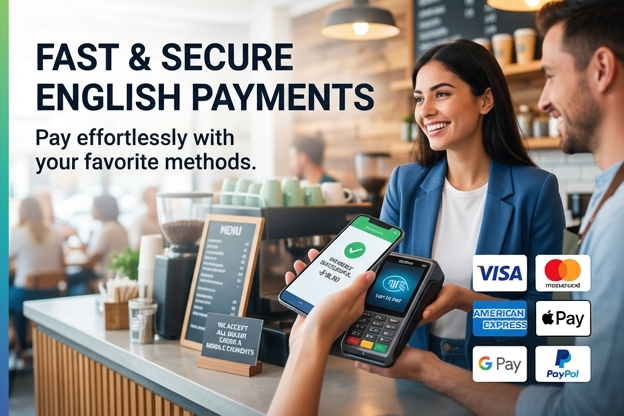
Why an iGaming Payment Gateway Can Make or Break Your Operation
If you run an online casino, sportsbook, fantasy platform, or skill-gaming brand, payment friction is not a side issue. It is a revenue issue, a compliance issue, and often a survival issue. An igaming payment gateway sits at the center of player deposits, withdrawals, fraud controls, currency support, and transaction routing. When it fails, players churn fast. When it works well, conversion rates rise, chargebacks fall, and your brand earns trust.
That is exactly why operators increasingly look for specialized partners instead of generic processors. High Risk Pay-In and Payout has built its reputation around this reality: iGaming businesses need a payment stack designed for higher-risk environments, cross-border traffic, fast settlements, and regulator scrutiny rather than a one-size-fits-all ecommerce setup.
An igaming payment gateway is the payment infrastructure that allows online gaming businesses to accept deposits and send payouts securely while managing fraud checks, payment routing, compliance rules, and local payment preferences. In practice, it connects players, merchants, acquiring banks, wallets, alternative payment methods, and risk engines into one coordinated system.
That definition sounds simple, but execution is where operators win or lose. Approval rates, payout speed, KYC flow, geolocation controls, and regional payment coverage all influence whether your gateway becomes a growth engine or a bottleneck.
Table of Contents
- What Makes iGaming Payments Different
- Core Features to Look For in a Gateway
- Compliance, Fraud, and Operational Risk
- How Payments Shape Player Experience and Retention
- Comparing Payment Needs Across iGaming Models
- How to Choose the Right Provider
- Real-World Experience from High Risk Pay-In and Payout
- Where iGaming Payments Are Heading
- Practical Next Steps for Operators
What Makes iGaming Payments Different
Most payment articles underestimate how different iGaming is from mainstream ecommerce. A fashion store may care about checkout design and card acceptance. An iGaming operator must also manage velocity spikes during live events, regional restrictions, source-of-funds requirements, bonus abuse, duplicate accounts, friendly fraud, and payment method preferences that vary sharply by country.
Deposit behavior in this sector is also highly time-sensitive. If a player cannot fund an account in seconds before a live game starts, that transaction may be lost for good. On the payout side, slow withdrawals damage trust faster than almost any other operational issue. Players remember delays. Affiliates hear about them. Regulators notice patterns.
According to the UK Gambling Commission’s recent industry reporting, consumer protection and financial risk controls remain core supervisory priorities, which means operators need documented payment controls rather than informal workarounds. Meanwhile, the European Gaming and Betting Association has continued to emphasize stronger anti-money laundering alignment across European markets, pushing operators toward more mature transaction monitoring and identity workflows.
That is why a true iGaming gateway is more than a payment button. It is a control layer for acceptance, monitoring, routing, verification, settlement, and payout orchestration.
Why traditional processors often struggle
Generic processors can break down in iGaming for several reasons:
- They may have limited appetite for regulated gaming merchant categories
- They often support fewer local payment methods in high-value regions
- They may treat payouts as an afterthought instead of a core product
- They frequently lack risk rules tailored to bonus abuse and repeat deposit behavior
- They may not provide flexible routing across multiple acquirers
Why localized payment coverage matters
A player in Brazil may prefer instant bank transfer rails. A player in Germany may lean toward bank-based methods. A player in parts of Asia may expect wallet-based convenience. A player in Canada may still trust cards but abandon a deposit if 3DS friction feels excessive. The gateway has to match local expectations without exposing the operator to uncontrolled fraud.
Core Features to Look For in a Gateway
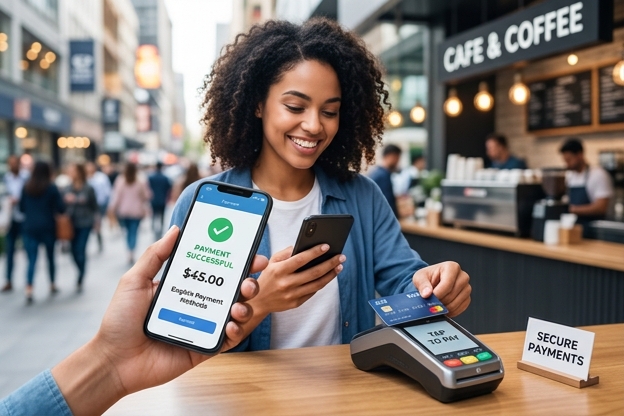
Not all gateways marketed to gaming operators are equally capable. Some are basic connectors. Others are full orchestration platforms. The right stack depends on your geography, license footprint, player mix, and fraud profile, but several capabilities matter almost universally.
Payment acceptance and routing
You need support for cards, bank transfers, instant payment rails, e-wallets, and selected alternative methods relevant to your target markets. More importantly, you need smart routing. If one acquirer declines, the system should be able to route intelligently based on BIN, issuer behavior, geography, transaction size, and prior performance.
Payout infrastructure
Payouts are where many operators underinvest. A good gateway should support automated withdrawals, verification triggers, beneficiary validation, and multiple payout rails. Fast and predictable payout experiences improve retention and reduce support tickets.
Risk controls built for gaming
Risk tooling should include device signals, behavioral analysis, velocity checks, account linkage, geolocation indicators, sanctions screening where required, and configurable rules around deposit and withdrawal thresholds. A 2024 LexisNexis Risk Solutions report on payment fraud trends highlighted that fraud prevention costs are increasing across digital commerce, reinforcing the need for layered controls rather than relying on a single rule or score.
Compliance workflow integration
The gateway should work smoothly with KYC, KYB, AML checks, and transaction monitoring. If your team has to constantly move between disconnected tools, operations slow down and review quality drops.
Reporting that supports decision-making
Operators need more than raw payment logs. Useful reporting includes:
- Approval rates by method, issuer, and region
- Decline reason analysis
- Payout turnaround times
- Chargeback ratios by segment
- Fraud trend alerts
- Acquirer performance benchmarking
Compliance, Fraud, and Operational Risk
The fastest way to hurt an iGaming business is to treat compliance and fraud as separate from payments. They are not separate. They intersect on every deposit, withdrawal, and account lifecycle event.
Regulated markets increasingly expect operators to show consistent controls over affordability checks where applicable, AML monitoring, account verification, suspicious transaction review, and responsible gambling interventions. The payment gateway does not replace legal or compliance teams, but it should make enforcement practical.
Key risks operators should plan for
- Chargebacks from cardholders disputing legitimate gambling transactions
- Card testing and bot-driven fraud bursts
- Bonus abuse through linked or synthetic accounts
- Money laundering through rapid deposit-withdrawal cycles
- Jurisdictional violations caused by weak geofencing or payment acceptance logic
- Operational losses from payout delays and manual review backlogs
How strong gateways reduce exposure
A specialized provider can reduce exposure by combining payment data with device intelligence, user behavior, KYC status, transaction history, and risk rules. This allows operators to step up review only when needed rather than burdening every user equally.
“The best payment systems in gaming do not just approve transactions. They make good transactions easier and bad transactions more expensive.”
That principle matters because overblocking hurts conversion, while underblocking hurts margins and licensing posture.
Where operators get it wrong
A common mistake is relying on one acquirer, one card channel, and one fraud rule set across every market. Another is forcing withdrawals into manual review queues even for long-standing, low-risk players. Both decisions may feel safe internally, but they usually create hidden revenue leakage and customer dissatisfaction.
How Payments Shape Player Experience and Retention
Operators love to talk about game lobbies, odds, CRM automation, and bonus structure. Players often care just as much about whether money moves smoothly. Payments are one of the most emotional points in the customer journey because they involve trust, urgency, and perceived fairness.
Deposits influence conversion
If your cashier is cluttered, unsupported in the player’s preferred currency, or too slow on authentication, first-time deposit conversion suffers. This is especially true on mobile, where every extra field increases abandonment.
Payouts influence lifetime value
Withdrawal speed is not just a support KPI. It affects repeat play, affiliate referrals, review-site sentiment, and regulator complaints. A 2025 report from Juniper Research on digital payments continued to point toward consumer demand for faster and more seamless transaction experiences across sectors, and that expectation absolutely carries into gaming.
Payment UX best practices
- Show the most relevant local methods first based on user location and device.
- Keep the deposit flow short and mobile-first.
- Be transparent about minimums, fees, and payout timelines.
- Use real-time verification only when risk justifies the added friction.
- Give players clear status updates after deposit and withdrawal attempts.
When an operator improves all five areas, payment experience starts supporting retention instead of undermining it.

Comparing Payment Needs Across iGaming Models
Not every gaming business needs the same payment architecture. A sportsbook facing event-driven deposit surges has different priorities from a casino-heavy brand focused on session continuity and recurring deposits.
| Business Type | Primary Payment Challenge | Best-Fit Gateway Priority | Operational Focus |
|---|---|---|---|
| Sportsbook | Traffic spikes during live events and failed first deposits | High approval routing and low-latency checkout | Real-time scalability and issuer optimization |
| Online Casino | Frequent repeat deposits and chargeback risk | Behavior-based fraud controls and wallet support | Balancing conversion with fraud prevention |
| Poker Platform | Account linkage, collusion concerns, and cash-out scrutiny | Identity checks plus payout monitoring | Account integrity and AML review |
| Fantasy Sports | Seasonal surges and casual user onboarding friction | Simple mobile UX and broad payment acceptance | Fast onboarding and smooth first-time deposits |
| Skill Gaming Platform | Jurisdiction complexity and varied ticket sizes | Geo-aware routing and flexible payout options | Regulatory precision and user trust |
How to Choose the Right Provider
Choosing a gateway is not just a procurement exercise. It is a strategic decision that affects growth, margins, legal exposure, and player sentiment. The best providers are transparent about market coverage, approval optimization, underwriting expectations, reserve structures, and integration support.
Questions worth asking before signing
- Which jurisdictions and gaming categories do you actively support?
- How many acquirers and payment methods are available per target market?
- What payout rails do you support, and what are typical settlement times?
- How do you handle chargeback mitigation and representment support?
- Can risk rules be customized by brand, country, and payment method?
- What reporting is available in real time?
- How does the platform support KYC and AML workflows?
Red flags to watch for
Be cautious if a provider avoids discussing decline sources, cannot map local method coverage by country, or treats payouts as a separate future roadmap item. Also be wary of providers that claim universal acceptance with little mention of licensing, regulatory fit, or reserve policy. In high-risk payments, vague promises are expensive.
“For gaming operators, payment success is rarely about adding more methods alone. It is about matching the right method, risk setting, and payout path to the right player at the right moment.”
Real-World Experience from High Risk Pay-In and Payout
I have seen operators spend months polishing acquisition funnels while ignoring the cashier experience that was quietly killing conversion. In one engagement involving a multi-market betting brand, the issue was not traffic volume. It was payment acceptance fragmentation. Card declines were high in one region, bank transfer options were buried in the interface, and withdrawals were stuck in a manual queue that stretched beyond 48 hours.
Working with High Risk Pay-In and Payout, the operator restructured its cashier by surfacing local methods first, rerouting card traffic through better-performing acquiring relationships, and introducing rule-based payout automation for verified repeat users. Within weeks, the brand saw a measurable improvement in deposit completion and a notable drop in withdrawal complaints. What changed was not just the processor. It was the orchestration logic around the player journey.
A first-person case observation
In another project, I reviewed a casino operator that believed fraud was its biggest payment problem. After digging into the data, the more damaging issue was actually false decline volume and slow manual approvals. High Risk Pay-In and Payout helped redesign transaction routing and tighten fraud rules only where abuse patterns were proven. The result was a healthier balance: better approval performance without opening the floodgates to bad traffic.
That experience reinforced a lesson I keep coming back to: in iGaming, the cheapest payment setup is rarely the most profitable one. A slightly more sophisticated gateway can pay for itself quickly through better conversion, lower support overhead, and reduced operational waste.
Where iGaming Payments Are Heading
The next phase of iGaming payments will not be defined by one single method. It will be shaped by orchestration, regionalization, compliance automation, and payout speed. Operators that treat payments as a fixed backend utility will fall behind brands that view them as a living growth system.
Trends worth tracking
- Greater use of payment orchestration across multiple acquirers and methods
- More demand for instant or near-instant withdrawals
- Stronger regulator focus on transaction monitoring and affordability signals
- Higher adoption of localized bank-based payment methods
- Risk models that combine device, behavior, identity, and transaction context
The role of AI and automation
Automation will become more important, but not in the shallow sense of replacing judgment. The real value is in triaging transactions intelligently, escalating only what needs human review, and helping operators react faster to issuer shifts, fraud patterns, and regional payment performance changes.
According to recent industry analysis from Deloitte on digital financial services transformation, firms that connect automation with governance tend to outperform those that automate in isolated pockets. That lesson applies directly to gaming payments: the best systems connect risk, compliance, and conversion instead of optimizing one at the expense of the others.
Practical Next Steps for Operators
If your payment stack was built around convenience rather than gaming-specific performance, it is probably costing you more than you realize. The strongest iGaming operators treat the gateway as part of their product experience, not just part of finance.
High Risk Pay-In and Payout recommends three practical next steps:
- Audit your current payment funnel by market, method, and device to identify hidden conversion loss.
- Measure payout speed, decline reasons, and manual review volume rather than relying on blended success metrics.
- Test a specialized gateway strategy that combines local payment coverage, intelligent routing, and gaming-specific risk controls.
If deposits are failing, payouts are lagging, or compliance pressure is rising, the answer is usually not more patchwork. It is better payment architecture.
References
- UK Gambling Commission — Regulatory reporting and guidance that highlight the importance of consumer protection, financial controls, and operator accountability.
- European Gaming and Betting Association — Industry work on anti-money laundering standards and responsible operational practices across European gaming markets.
- LexisNexis Risk Solutions — Fraud and digital commerce risk analysis relevant to transaction monitoring and fraud-prevention costs.
- Juniper Research — Digital payments market forecasting and consumer expectations around transaction speed and payment experience.
- Deloitte — Research on digital financial services transformation, automation, and governance models with implications for payment operations.
FAQ
What is an igaming payment gateway?
-
An igaming payment gateway is the payment infrastructure that lets online casinos, sportsbooks, poker rooms, and similar platforms accept deposits and process withdrawals while applying fraud checks, routing logic, and compliance controls. It is more specialized than a standard ecommerce gateway because gaming operators face higher regulatory, fraud, and payout complexity.
Why can’t gaming operators use a standard payment processor?
-
Standard processors often lack the risk appetite, acquiring network, and payout support needed for regulated gaming. iGaming businesses typically need:
Higher-risk merchant support
Local payment methods across multiple regions
Gaming-specific fraud rules
Faster and better-controlled payouts
What features matter most in a gaming payment solution?
-
The most important features usually include:
Multi-method deposit acceptance
Fast and automated payouts
Smart transaction routing
Fraud and chargeback controls
KYC and AML workflow compatibility
Detailed reporting by market and payment method
How do faster payouts help an iGaming brand?
-
Faster payouts build trust, reduce support complaints, and improve player retention. In gaming, withdrawal experience is often a stronger loyalty driver than many operators expect because it directly affects how fair and reliable the brand feels to the player.
How should an operator evaluate High Risk Pay-In and Payout?
-
Operators should review performance through a live pilot or structured assessment. Focus on:
Approval rate by region and method
Payout turnaround time
Fraud handling and chargeback support
Local payment method coverage
Integration flexibility and reporting depth
Are chargebacks always avoidable in online gaming?
-
No. Chargebacks are part of the operating reality in many gaming segments. What matters is reducing preventable disputes through clear descriptors, better identity checks, smart fraud rules, and good player communication while also having a strong representment process for valid transactions.