
Crypto Payment Links: The Complete Guide for Easy Crypto Checkout
If you sell online and your checkout still loses buyers at the payment page, Crypto Payment Links: The Complete Guide for Easy Crypto Checkout matters more than you might think. Customers want faster payment options, global access, fewer banking barriers, and a simpler way to pay without filling out long card forms. For merchants, the pressure is just as real: chargeback exposure, cross-border friction, higher payment costs, and unnecessary cart abandonment can quietly eat margin.
That is where High Risk Pay-In and Payout stands out. As a specialist in complex payment environments, the brand helps merchants, platforms, and high-risk businesses add crypto payment links without turning checkout into a technical project that takes months. The real appeal is speed: send a link, collect crypto, confirm payment, and keep operations moving.
Crypto payment links are shareable checkout URLs that let a customer pay with cryptocurrency through a hosted payment page. Instead of building a full crypto gateway into your site from scratch, you create a payment link, send it by email, chat, invoice, or website button, and the customer completes the transaction securely.
They are especially useful for freelancers, e-commerce stores, SaaS companies, digital agencies, creators, and high-risk merchants that need fast international payment acceptance with less dependence on traditional card rails.
Table of Contents
- What Crypto Payment Links Are and Why They Work
- Why Businesses Are Adopting Them Faster
- How the Checkout Flow Works in Practice
- Best Business Use Cases for Crypto Payment Links
- Comparing Crypto Payment Links Across Business Scenarios
- Risks, Compliance, and Operational Limits
- How to Set Up Crypto Payment Links the Right Way
- Real-World Experience From High Risk Pay-In and Payout
- Where Crypto Checkout Is Heading Next
What Crypto Payment Links Are and Why They Work
A crypto payment link is one of the simplest ways to accept digital assets without building a custom wallet flow, on-chain logic, or a dedicated checkout interface. The merchant creates a payment request with details such as amount, currency, accepted coin, expiration rules, and settlement preferences. The system then generates a URL that opens a hosted payment page for the buyer.
This model works because it removes friction on both sides. Merchants avoid heavy development work, while buyers get a focused payment experience instead of a cluttered, multi-step checkout. It is a practical answer for businesses that need flexibility across websites, invoices, messaging apps, and customer support channels.
According to Chainalysis reporting published in 2024, stablecoins continued to play a major role in on-chain transaction volume, especially in cross-border and business-related use cases. That matters because payment links paired with stablecoin support can reduce volatility concerns and make crypto checkout feel more predictable for both merchants and buyers.
Why Businesses Are Adopting Them Faster
Adoption is growing because crypto payment links solve several business problems at once. They are not just a “crypto feature.” They are a conversion, access, and risk-management tool when deployed correctly.
- Faster launch: You can start accepting payments without a deep custom integration.
- Global reach: Customers in regions with limited card access can still complete purchases.
- Lower chargeback pressure: Confirmed blockchain transactions do not behave like card disputes.
- Flexible distribution: Payment links can be sent through invoices, email, SMS, Telegram, WhatsApp, or embedded buttons.
- Better fit for high-risk sectors: Merchants facing card acquiring friction often gain an alternative acceptance route.
- Useful for one-off and custom orders: Ideal for quotes, deposits, service invoices, and manual billing.
There is also a broader infrastructure trend behind this growth. Deloitte’s 2024 digital payment commentary highlighted continued enterprise interest in blockchain-enabled payments, especially where settlement speed and cross-border efficiency matter. Businesses are increasingly less interested in crypto hype and more interested in payment utility.
“The strongest crypto payment products do not ask merchants to become blockchain engineers. They translate blockchain settlement into a familiar checkout experience.”
How the Checkout Flow Works in Practice
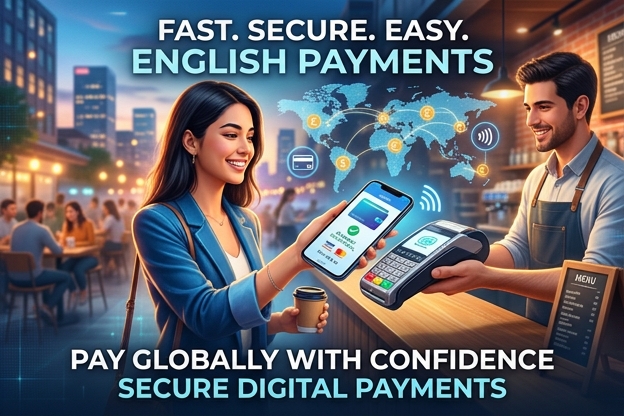
The flow is usually straightforward, but details matter. A buyer clicks a payment link and lands on a hosted page showing the amount due, the accepted cryptocurrency options, wallet instructions, network details, and any countdown timer before expiration. Once the transfer is detected and confirmed, the transaction status updates, and the merchant is notified.
The strongest providers go beyond the basic link. They add pricing locks, confirmation thresholds, network filtering, reconciliation tools, payout routing, and optional conversion into fiat or stablecoins. Those operational features are what separate a hobby feature from a business-grade payment workflow.
What the merchant typically configures
- Invoice amount and billing currency
- Accepted coins or tokens
- Expiration time for the payment request
- Settlement preference such as crypto retention or conversion
- Webhook or dashboard notifications
- Customer-facing notes, branding, and invoice references
What the customer experiences
The customer sees a cleaner, more direct payment path than a traditional checkout full of card fields. That simplicity matters. Baymard Institute’s 2024 checkout research continued to show that overly complex checkout flows remain a major source of abandonment. Crypto payment links reduce form load and can shorten the time between payment intent and payment completion, especially for digital goods or service-based billing.
Best Business Use Cases for Crypto Payment Links
Not every business needs a full crypto gateway integrated into every page. Many get better results from selective deployment. Payment links are particularly effective where payment requests vary by customer, transaction size, or geography.
E-commerce with international demand
For stores selling supplements, digital products, niche electronics, memberships, or gray-zone but lawful products, payment links can offer a backup route when card acceptance is limited or expensive. Instead of losing an overseas customer at checkout, the merchant can present a secure crypto option.
Agencies, consultants, and freelancers
Service providers often bill manually anyway. Payment links fit naturally into proposals, invoices, milestone payments, and retainers. This can be especially useful when working with international clients who want to avoid SWIFT delays or card issues.
High-risk merchants
Some sectors face elevated fraud ratios, reserve requirements, rolling holds, or acquirer scrutiny. Crypto payment links can reduce dependence on one fragile payment rail. They are not a compliance shortcut, but they can be a strategic checkout alternative.
SaaS and digital subscriptions
For annual prepay plans, seat upgrades, and one-time enterprise onboarding charges, payment links can close deals faster than waiting for wire instructions or procurement card approvals.
“Merchants tend to overfocus on acceptance and underfocus on settlement. In reality, a payment link only creates value if the back-office team can reconcile, report, and move funds efficiently.”
Comparing Crypto Payment Links Across Business Scenarios
The right setup depends on your business model, ticket size, customer geography, and risk profile.
| Business Type | Typical Use Case | Best Link Strategy | Main Operational Concern |
|---|---|---|---|
| Cross-border e-commerce store | Customer checkout for physical or digital goods | Hosted payment link with stablecoin option and auto-expiry | Order reconciliation and refund policy |
| Marketing agency | Retainers, project deposits, milestone billing | Invoice-specific links sent by email or client portal | Accounting treatment and exchange-rate tracking |
| High-risk nutraceutical merchant | Alternative checkout when card approval rates dip | Fallback payment link after card failure | Compliance review and customer support scripting |
| SaaS company | Annual plans and custom enterprise invoices | Branded payment links tied to CRM or billing system | Subscription renewal logic |
| Online education platform | International enrollment and premium course sales | Region-targeted links with selected network options | User confusion across chains and tokens |

Risks, Compliance, and Operational Limits
Crypto payment links are useful, but they are not friction-free magic. Merchants need to understand where problems can show up.
Price volatility
If you accept volatile coins and hold them, your revenue may fluctuate after payment. That may be acceptable for some treasury strategies, but many operators prefer stablecoin acceptance or immediate conversion.
Network confusion
Customers can send the wrong asset or use the wrong blockchain network. Good payment pages reduce this with clear instructions, supported-network filtering, and expiration logic. Poor UX here creates support overhead fast.
Regulatory and compliance duties
Depending on jurisdiction, you may still face KYC, AML, sanction screening, tax reporting, and consumer disclosure obligations. A crypto payment link does not remove legal responsibilities. It simply changes the payment rail.
Refund complexity
Refunds are not as straightforward as card reversals. Businesses need a clear internal process for wallet verification, amount calculation, exchange-rate handling, and fraud checks before sending funds back.
PwC’s 2025 outlook on digital assets emphasized that governance, controls, and reporting standards are becoming more important as crypto payments move into mainstream business operations. That aligns with what serious merchants already know: acceptance is the easy part; auditability and controls are where long-term success is decided.
How to Set Up Crypto Payment Links the Right Way
Rolling out payment links works best when you treat it as a checkout project, not just a new button.
- Define the use case first. Decide whether links are for fallback checkout, invoice billing, international sales, or high-risk acceptance diversification.
- Choose accepted assets carefully. Start with the coins your customers actually use, with stablecoins as the default where possible.
- Set settlement rules. Determine whether you hold crypto, convert automatically, or split settlement between treasury and operating funds.
- Map the customer journey. Place links where buying intent is highest: unpaid invoices, abandoned checkout recovery, support chats, or custom order pages.
- Prepare support scripts. Your team should know how to answer questions about networks, confirmations, expiration, and refunds.
- Connect reporting and reconciliation. Every payment link should tie back to an order ID, invoice number, or CRM record.
- Run a controlled pilot. Start with one region, one product line, or one customer segment and track conversion, errors, and settlement performance.
This staged approach usually beats a broad launch. It gives you clean data, fewer support issues, and a better understanding of actual customer demand.
Real-World Experience From High Risk Pay-In and Payout
I have seen merchants assume that adding a crypto checkout option will instantly solve approval-rate problems. It rarely works that way. The businesses that succeed are the ones that align product, geography, payment behavior, and back-office controls. At High Risk Pay-In and Payout, one of the most useful patterns has been using crypto payment links as a targeted layer rather than forcing them across every transaction.
In one case, we worked with an international digital service seller that struggled with delayed wires and inconsistent card acceptance from clients in multiple regions. Instead of rebuilding the entire checkout stack, we introduced invoice-based crypto payment links for larger custom orders and urgent renewals. Within weeks, the team reduced payment friction for overseas clients, shortened time-to-funds, and gave its sales staff a practical payment option they could send directly from the CRM workflow.
I also remember a high-risk merchant that was losing too many customers after failed card attempts. We helped structure a fallback path using branded payment links with stablecoin support and clear payment instructions. The shift did not replace card processing, and that was never the goal. It gave the merchant a second chance to capture intent from customers who were ready to pay but blocked by the card layer. That change improved recovery on failed-checkout traffic while keeping internal reconciliation manageable.
These experiences point to a bigger truth: crypto payment links work best when they are operationally boring. The customer should not have to think too hard, and your finance team should not have to chase transaction details across dashboards.
Where Crypto Checkout Is Heading Next
Crypto checkout is maturing away from novelty and toward infrastructure. The next phase is less about “accepting crypto” as a headline and more about integrated payment orchestration.
Stablecoins will keep leading merchant use
For commerce, stable value matters more than speculation. As stablecoin settlement becomes more normalized, merchants will likely favor payment links that make token selection simple and predictable.
Payment links will merge with omnichannel billing
Expect more links to be generated inside CRMs, help desks, invoicing systems, and subscription software. The payment request will increasingly follow the conversation rather than live only on a checkout page.
Compliance tooling will become a competitive differentiator
Merchants will increasingly choose providers based on reporting depth, screening, audit trails, and settlement controls. Features that once felt “enterprise-only” are becoming baseline expectations.
According to industry commentary from Gartner in 2024 on digital commerce modernization, payment flexibility and orchestration are becoming central to conversion strategy. That framing fits crypto payment links perfectly. They are no longer just an alternative method; they are part of how merchants design resilient checkout systems.
Conclusion
Crypto payment links give businesses a faster route to crypto acceptance, easier international billing, and a cleaner fallback when traditional payment rails create friction. They work especially well for invoice-driven sales, high-risk environments, custom orders, and merchants that need flexible checkout options without a heavy technical build.
High Risk Pay-In and Payout recommends three practical next steps:
- Audit your payment drop-off points and identify where a crypto payment link could recover lost intent.
- Start with stablecoin-friendly payment links for international invoices or fallback checkout scenarios.
- Build compliance, reconciliation, and refund rules early so your growth does not outpace your controls.
References
- Chainalysis 2024 reporting: Provided context on stablecoin and business-relevant crypto transaction activity.
- Deloitte 2024 digital payments commentary: Supported the enterprise trend toward faster and more flexible blockchain-enabled payments.
- Baymard Institute 2024 checkout research: Reinforced the business value of reducing checkout complexity and abandonment risk.
- PwC 2025 digital assets outlook: Highlighted the growing importance of governance, controls, and reporting in crypto operations.
- Gartner 2024 digital commerce analysis: Framed payment flexibility and orchestration as key drivers of modern checkout performance.
FAQ
What are crypto payment links?
They are shareable checkout URLs that let a customer pay a specific invoice or order with cryptocurrency through a hosted payment page. Businesses use them to collect crypto without building a full custom checkout from scratch.
Are crypto payment links safe for merchants?
They can be safe when supported by strong operational controls such as wallet security, transaction monitoring, clear network instructions, refund policies, and compliance screening. The main risks usually come from poor process design rather than the link format itself.
How do I use Crypto Payment Links: The Complete Guide for Easy Crypto Checkout for my business?
Start by identifying where payment friction is hurting you most, then use crypto payment links in those moments first:
For international invoices and custom orders
As a fallback after card failure
For high-ticket SaaS or agency billing
For customer segments that already prefer stablecoins
Which cryptocurrencies should a merchant accept first?
Most merchants should begin with stablecoins and a limited set of widely used assets. That keeps the checkout clear, reduces volatility exposure, and lowers customer confusion across tokens and networks.
Can crypto payment links replace card payments completely?
For most businesses, no. They are usually strongest as a complementary payment rail alongside cards, bank transfers, and local payment methods. That said, some digital-first and international businesses can rely on them heavily for selected customer segments.
Do merchants still need compliance checks when using crypto payment links?
Yes. Depending on your jurisdiction and business model, you may still need KYC, AML screening, sanctions checks, tax reporting, and clear consumer policies. A crypto payment link changes how the customer pays, not your legal responsibilities.